What is Cancer?
Cancer develops as a result of specific alterations to genes — the fundamental units of inheritance organised into long strands of DNA called chromosomes. This disease is primarily genetic, stemming from changes to genes that regulate cell functioning, particularly growth and division.
Tumors can be either benign or malignant. Benign tumors remain localised and do not invade nearby tissues. They are generally non-life-threatening and do not recur after removal.
Malignant tumors — cancers — have the ability to infiltrate surrounding tissues and metastasise to distant organs via the bloodstream or lymphatic system. This metastatic spread significantly impacts prognosis and treatment.
While many cancers present as solid tumors in organs like the lungs, breast, or colon, others like leukemia originate in the blood and do not form solid masses. All cancers share the fundamental characteristic of abnormal cell proliferation.
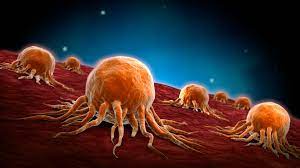
How Does Cancer Develop?
Cancer is caused by changes to genes that control the way cells function, especially how they grow and divide. Each person's cancer has a unique combination of genetic changes.
The body normally eliminates cells with damaged DNA before they turn cancerous — but this ability decreases with age, which is why cancer risk is higher in later life.
Even within the same tumour, different cells may have different genetic changes, making cancer complex to treat. As it grows, additional mutations occur.
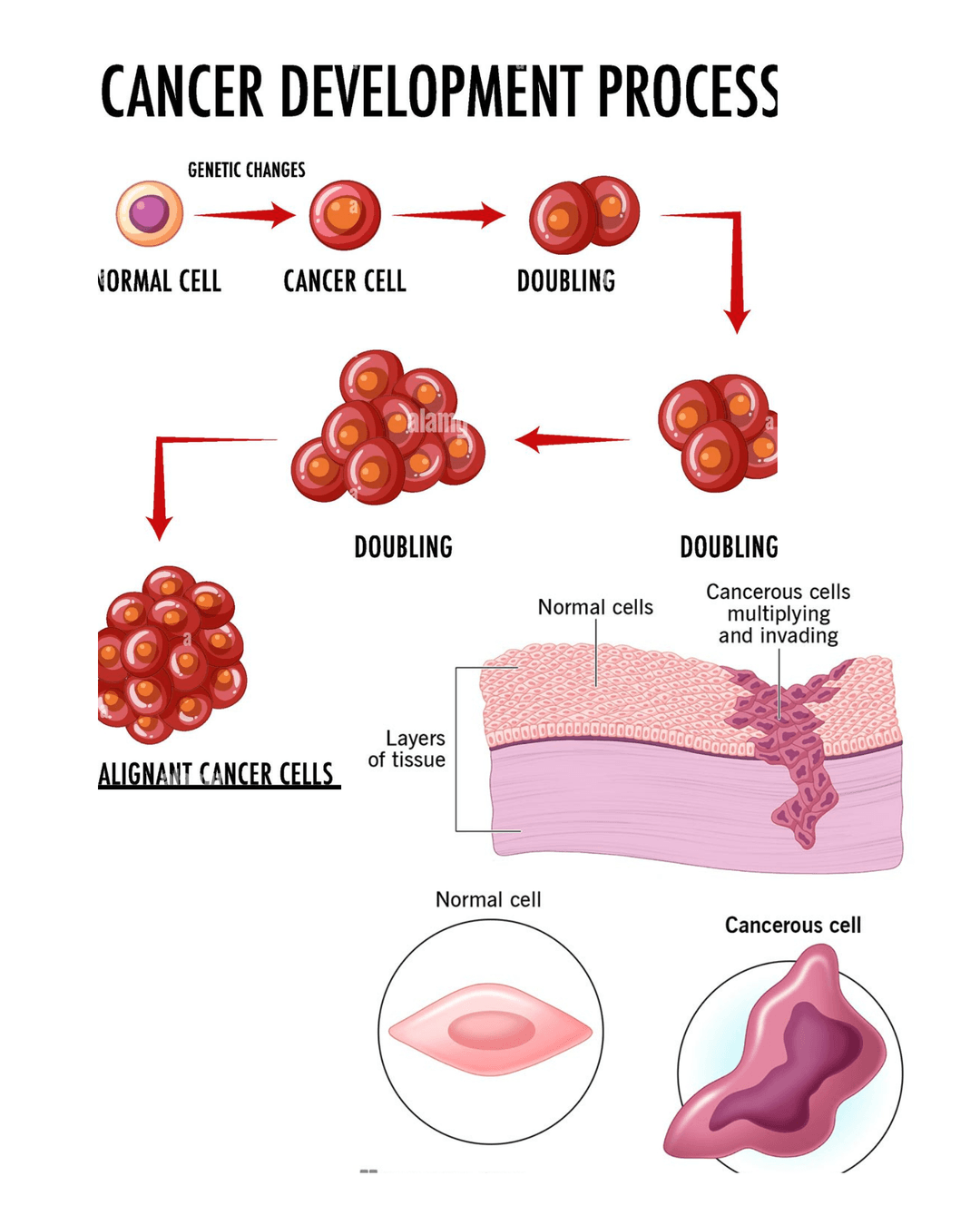
Genetic Changes Can Happen Because Of
Cell Division Errors
Errors that occur naturally as cells divide create mutations that accumulate over time, eventually triggering cancerous growth.
Environmental Damage
Harmful substances — chemicals in tobacco smoke, ultraviolet rays from the sun, and industrial pollutants — damage DNA in cells.
Inherited Mutations
Some genetic mutations are inherited from parents, increasing the likelihood of developing certain types of cancer across generations.
Ageing
The body's ability to eliminate cells with damaged DNA decreases with age — a key reason why cancer risk rises significantly in later life.